Artificial intelligence is changing how businesses manage everyday operations. From automating repetitive tasks to analysing data and supporting faster decisions, AI is becoming an important part of modern ERP systems. Microsoft Dynamics 365 Business Central is evolving with this shift, bringing AI-powered capabilities into areas such as finance, sales, inventory, supply chain, and business operations. For businesses using manual processes or legacy ERP systems, combining ERP and AI can improve productivity and give employees faster access to useful information.
How AI Is Changing ERP
Traditional ERP systems focus on recording and managing business transactions. AI takes this further by helping businesses interpret data, identify patterns, automate tasks, and support decision-making. Instead of simply asking “What happened?”, businesses can use AI to better understand “What is happening and what should we do next?” This can help organisations become more proactive and responsive.
AI in Microsoft Dynamics 365 Business Central
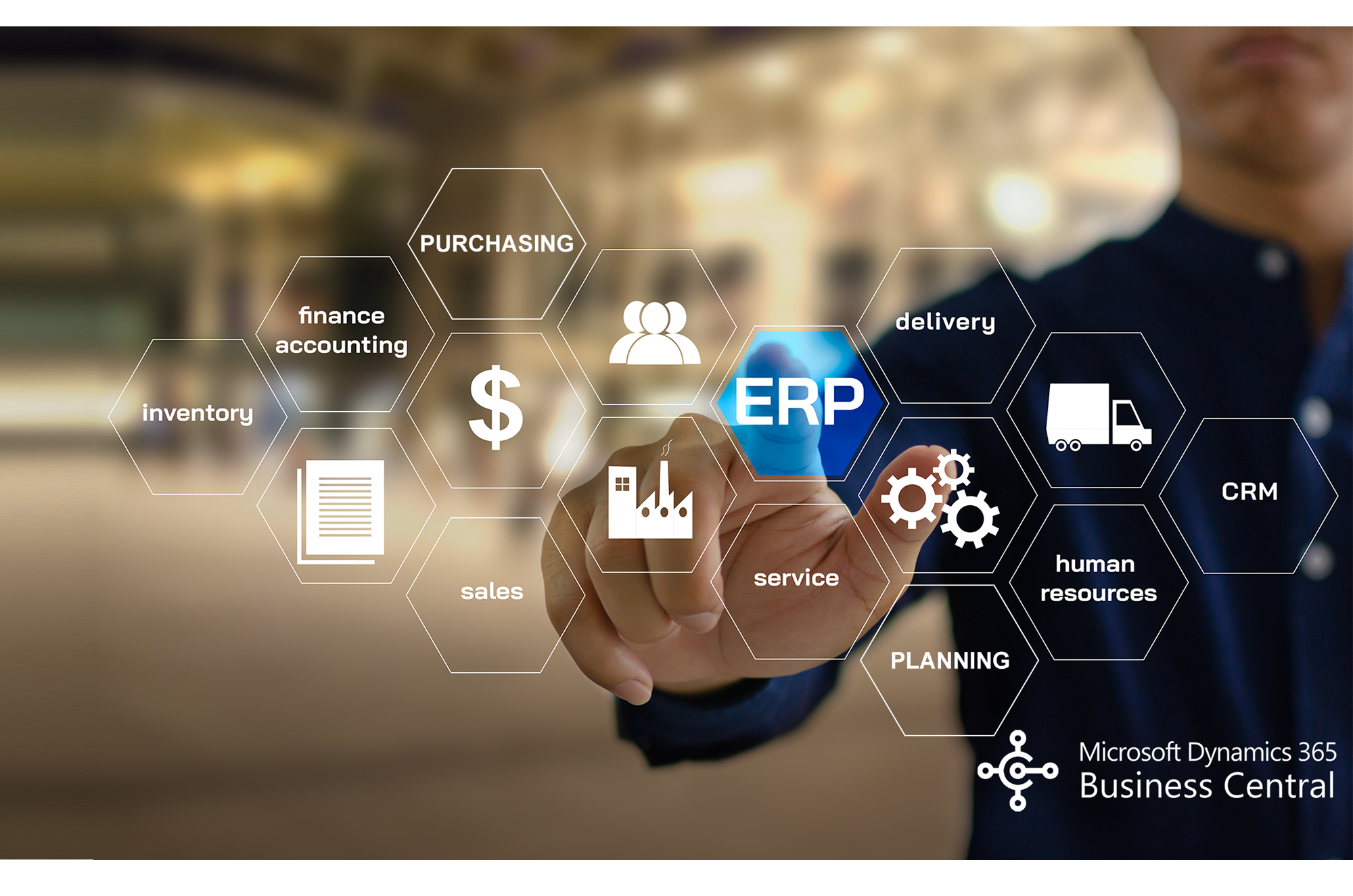
Business Central brings AI-powered capabilities closer to everyday business processes. AI can support areas including:
- Financial management
- Sales and customer management
- Inventory and supply chain
- Purchasing
- Reporting and business insights
- Workflow and task automation
Rather than replacing ERP processes, AI can work alongside business data to help users complete tasks more efficiently.
Automating Repetitive Tasks
Many businesses spend valuable time on repetitive administrative work such as processing information, preparing documents, and reviewing records. AI can help simplify or automate suitable tasks, allowing employees to focus on higher-value activities. AI-powered assistance can also help users find information, generate content, summarise data, and support everyday workflows.
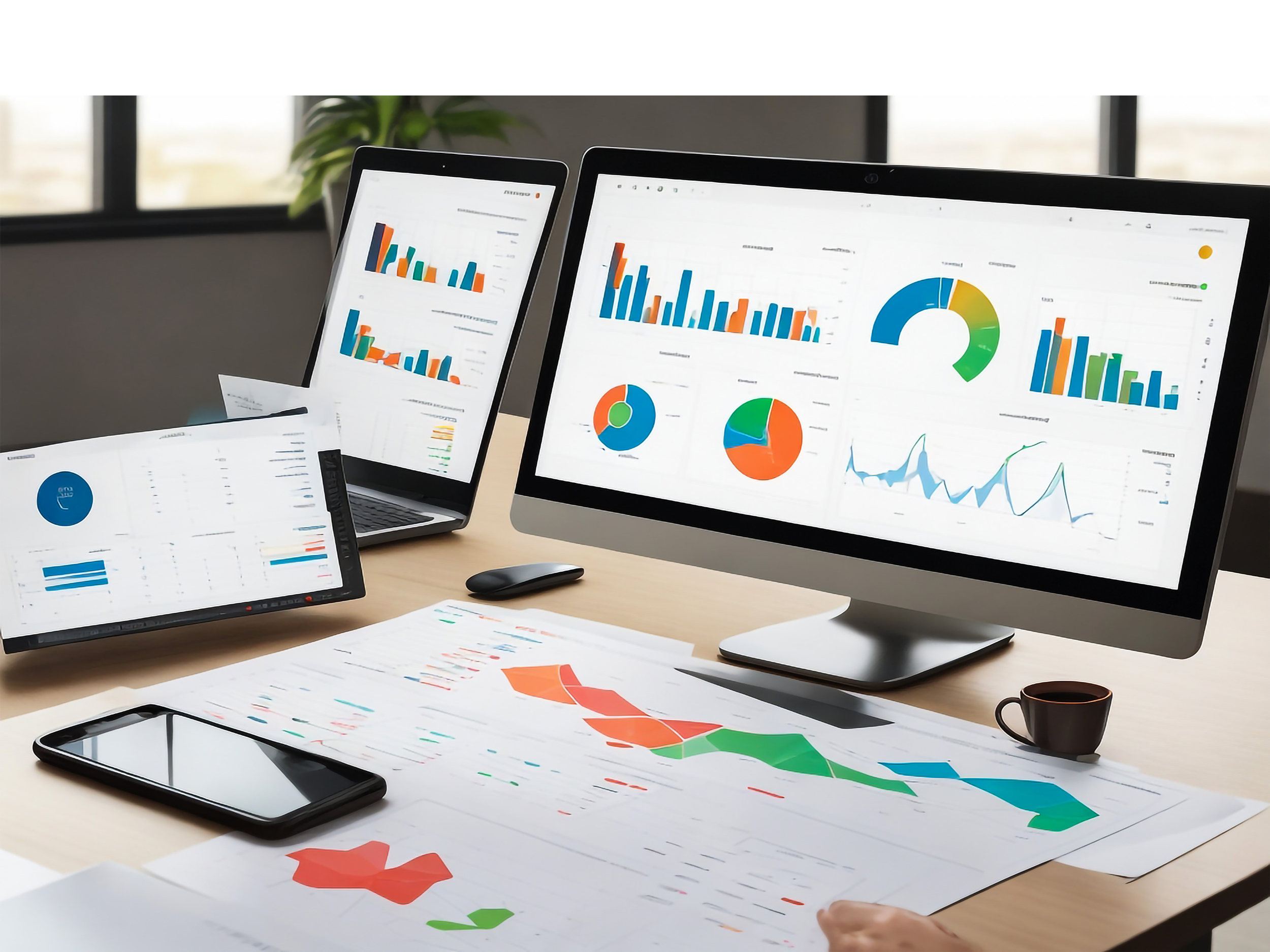
Turning Data into Useful Insights
ERP systems contain valuable information about sales, customers, suppliers, inventory, purchasing, and finances. The challenge is turning this data into actionable insights.
AI can help identify trends and patterns, helping businesses understand areas such as:
- Sales and product performance
- Inventory changes
- Customer activity
- Purchasing requirements
- Potential operational bottlenecks
This can support faster, more informed decision-making.
Smarter Inventory and Supply Chain Management
AI can help businesses better understand demand patterns and make more informed inventory and purchasing decisions. For distributors, wholesalers, retailers, and manufacturers, this can support improved stock visibility, planning, and supply chain efficiency.
Helping Employees Work More Efficiently
AI can make ERP systems easier to interact with by helping users find information, analyse data, and complete certain tasks without navigating through multiple processes manually. This can help employees spend less time on administration and more time on productive business activities.
AI and Business Decision-Making
AI is more than an automation tool. It can also help businesses make better use of the information already available within their ERP system. By bringing together data from areas such as sales, inventory, purchasing, and finance, AI can help decision-makers gain a clearer view of business performance. Human oversight remains important, with AI supporting decisions rather than replacing business expertise and appropriate controls.
The Role of AI Agents in ERP
The next stage of AI is moving beyond simple assistants towards AI agents that can support multi-step business processes. Instead of only answering questions, AI agents can potentially assist with defined workflows and tasks. This could change how employees interact with ERP systems and reduce the time spent on routine processes.
What Does This Mean for Businesses?
Businesses do not necessarily need to replace their ERP system to start exploring AI.
For organisations using Microsoft Dynamics 365 Business Central, the first step is identifying where AI can provide practical value.
Consider:
- Which processes are highly manual?
- Where are employees spending too much time on administration?
- Where could automation reduce delays?
- Which decisions depend on large amounts of data?
- Where could better forecasting improve planning?
The goal should be to use AI where it solves a genuine business problem.
AI, ERP and the Future of Business Central
The future of ERP is increasingly connected with AI, automation, and intelligent business workflows. Business Central is evolving towards a more connected and intelligent platform, giving businesses opportunities to improve efficiency while maintaining structured business processes and controls. The key is not simply adopting more AI, but identifying the right processes where AI can create meaningful business value.
How Robosol Can Help
At Robosol, we help businesses use Microsoft Dynamics 365 Business Central to improve financial management, supply chain operations, inventory, manufacturing, distribution, and other core business processes. By combining ERP expertise with automation and modern technology, businesses can build a stronger foundation for AI-powered operations. Whether you are moving from a legacy ERP system, improving an existing Business Central environment, or exploring automation opportunities, Robosol can help identify practical ways technology can support your business goals.
Conclusion
AI is changing what businesses expect from ERP systems. Microsoft Dynamics 365 Business Central is evolving beyond traditional transaction management towards a more intelligent and connected business platform. From automating repetitive tasks and improving business insights to supporting inventory management and emerging AI-agent capabilities, AI can help businesses work more efficiently and make better use of their data.
The key question is not simply whether AI belongs in ERP, but where AI can create meaningful value across the business.
We at Robosol, with over 20 years of experience & with over a 100 customers across industries can help you in this process. Contact us for an expert consultation to know more.