Many businesses rely on multiple software systems to manage finance, inventory, sales, purchasing, warehousing, and customer relationships. While each system may serve a specific purpose, managing them separately can create hidden costs that affect productivity, profitability, and business growth. As businesses expand, disconnected systems often become harder to manage. Data gets duplicated, teams spend more time on manual tasks, and decision-makers struggle to get a complete picture of business performance.
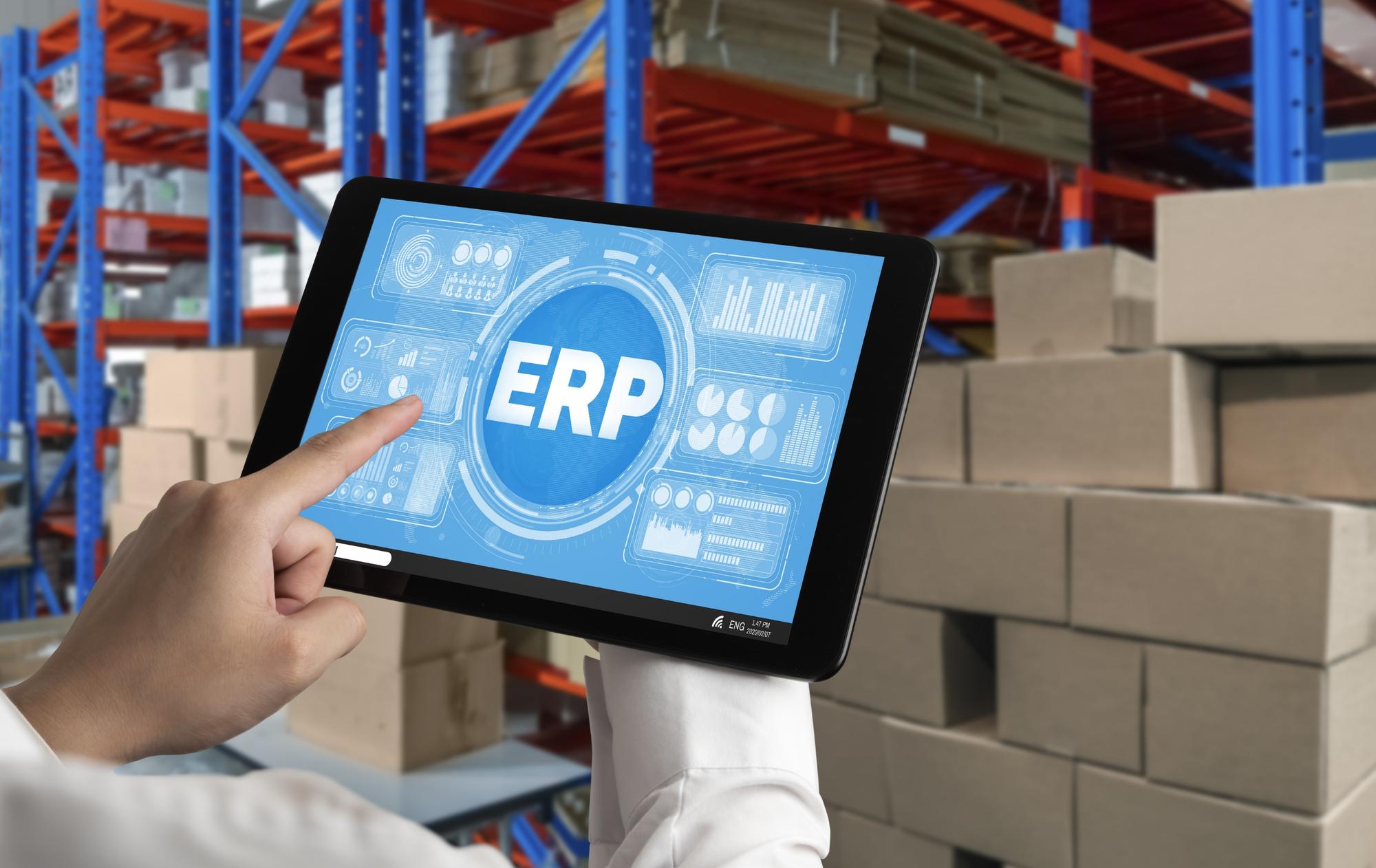
An integrated Enterprise Resource Planning (ERP) solution can help bring these processes together, giving businesses greater control, visibility, and efficiency.
The Hidden Cost of Disconnected Systems
Using separate systems may seem practical initially, but the costs can accumulate over time.
Duplicate Data Entry and Manual Work
When systems do not communicate effectively, employees often need to enter the same information multiple times. Sales orders, customer details, purchase orders, and inventory records may need to be updated across different platforms. This repetitive work consumes valuable time, increases the risk of human error, and prevents employees from focusing on more strategic activities.
Higher Software and Maintenance Costs
Maintaining several software platforms can mean paying multiple subscription fees, support contracts, maintenance charges, and integration costs. Businesses may also need additional resources to manage updates, troubleshoot technical issues, and maintain connections between systems. These expenses can gradually increase the total cost of ownership.
Inaccurate Data and Reporting Delays
When information is spread across different platforms, producing accurate business reports becomes more complicated. Finance teams may need to reconcile figures manually, while managers wait for information from multiple departments. Without reliable, up-to-date data, decision-makers may find it difficult to identify trends, control costs, and respond quickly to changing business conditions.
How Multiple Systems Affect Daily Operations
The impact of disconnected software goes beyond financial costs. It can affect the way teams collaborate and serve customers.
Limited stock visibility: Inventory information may differ between warehouse, sales, and finance systems, making it harder to understand actual stock availability.
Slower order processing: Teams may need to transfer information manually between systems, delaying order fulfilment and deliveries.
Reduced team productivity: Employees spend time switching between applications, checking information, and correcting inconsistencies instead of completing essential tasks.
Inconsistent customer experiences: When customer and order information is scattered, responding to enquiries and providing accurate updates can become more difficult.
Limited business visibility: Management may lack a single, reliable view of financial performance, inventory levels, sales activity, and operational efficiency.
Over time, these challenges can affect customer satisfaction, employee productivity, and the ability to scale operations.
Why Integration Alone May Not Be Enough
Connecting existing systems can improve data sharing, but it does not always eliminate the underlying complexity. Businesses may still need to maintain multiple applications, manage different user interfaces, resolve integration failures, and coordinate software updates. As requirements change, additional integrations can introduce further costs and technical dependencies.
An integrated ERP platform offers a different approach by bringing key business processes into a more connected environment. Rather than relying on several separate systems, businesses can manage core operations through a central platform with shared data and more consistent workflows.
How an Integrated ERP Solution Helps
An ERP system can help businesses reduce the operational challenges associated with disconnected software.
Centralised Business Information
An integrated ERP platform brings key information into one environment, helping departments work with consistent data across finance, sales, purchasing, and inventory.
Improved Financial Control
Connected financial and operational information can reduce manual reconciliation and help finance teams monitor transactions, costs, and business performance more effectively.
Better Inventory Management
Access to more consistent stock information helps businesses improve inventory visibility, coordinate purchasing, and make more informed replenishment decisions.
Streamlined Workflows
Automating repetitive processes can reduce unnecessary manual work, minimise errors, and help teams complete tasks more efficiently.
More Informed Decision-Making
Connected reporting and analytics provide a clearer view of business performance, helping managers identify issues, monitor progress, and plan for future growth.
How to Identify Whether Your Business Has Outgrown Its Current Systems
Your current software setup may be creating unnecessary costs if your teams regularly experience:
- Repeated data entry across different applications.
Frequent errors when reconciling financial or inventory information.
Delays in producing accurate management reports.
Increasing software subscription and maintenance expenses.
Difficulty tracking orders from entry to fulfilment.
Limited visibility across departments or locations.
Growing dependence on spreadsheets and manual workarounds.
If several of these challenges sound familiar, it may be time to review your software landscape and calculate the true cost of maintaining separate systems. Start by documenting your current applications, associated costs, integration requirements, and manual processes. This will help you identify opportunities to simplify operations and build a more connected technology environment.
Ready to simplify your business systems?
Robosol helps businesses explore ERP solutions that align with their operational needs and growth objectives. Speak to our team to discuss how Microsoft Dynamics 365 Business Central could help your organisation reduce complexity and work more efficiently.
Conclusion
Running a business on multiple systems can create hidden costs through duplicated work, inefficient processes, inconsistent information, and ongoing maintenance. While these challenges may develop gradually, their combined impact can limit productivity and long-term growth. An integrated ERP solution can help bring essential business functions together, improve information flow, and give teams greater confidence in their decisions.
With the right implementation strategy, Microsoft Dynamics 365 Business Central can help businesses simplify operations, strengthen financial and operational visibility, and establish a more scalable foundation for growth.
We at Robosol, with over 20 years of experience & with over a 100 customers across industries can help you in this process. Contact us for an expert consultation to know more.