Will AI Change the Way Businesses Use ERP?
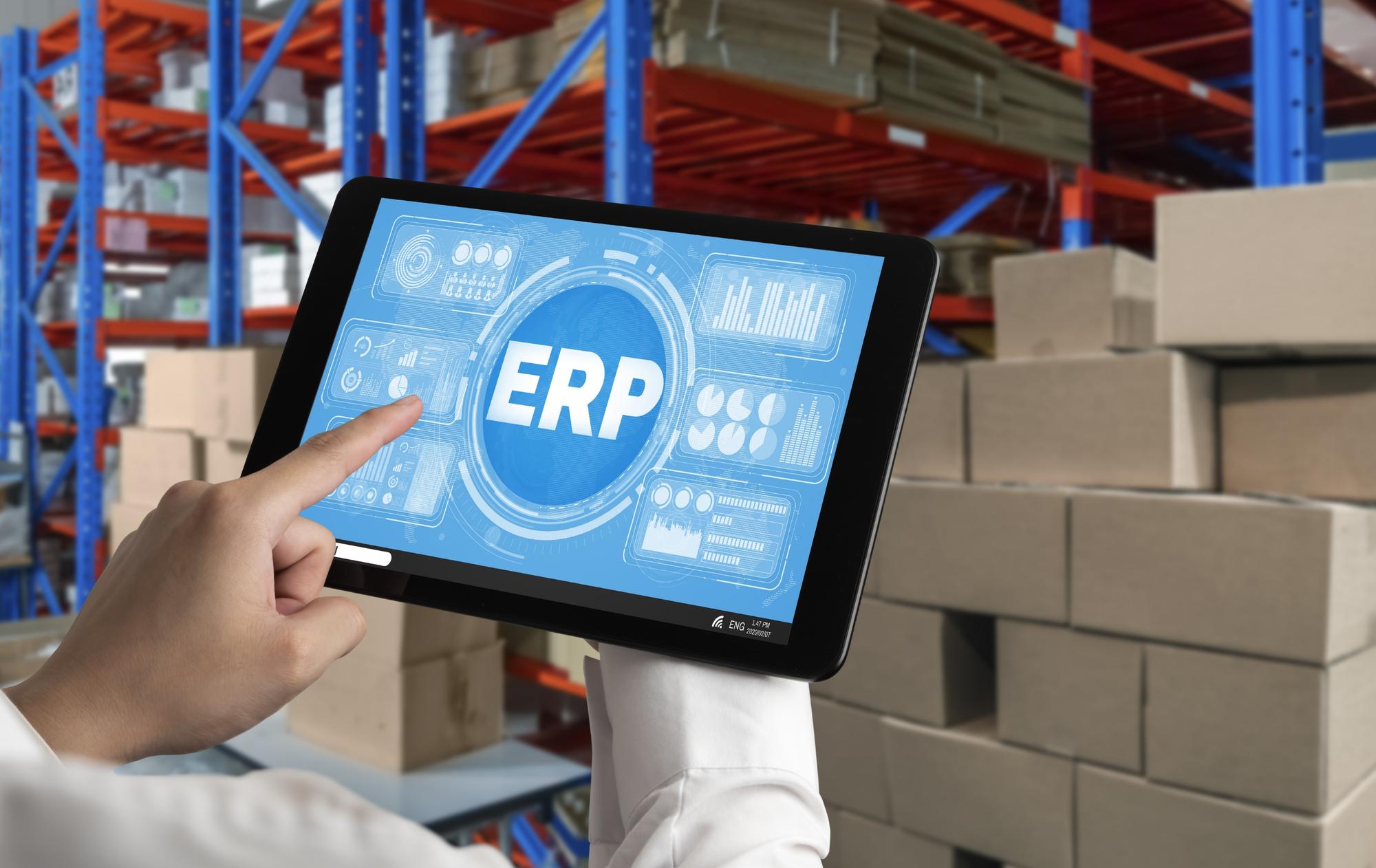
AI is transforming ERP from a system of record into a smarter business tool, helping organisations automate processes, gain valuable insights, and make faster, more informed decisions. Enterprise Resource Planning (ERP) systems have always played an important role in managing business operations. From finance and inventory to sales, purchasing, and supply chain management, ERP brings essential business information together in one place.
But as businesses become more digitally connected, traditional ways of managing ERP are evolving. Artificial Intelligence (AI) is introducing new possibilities, helping organisations move beyond simply recording transactions towards more intelligent, proactive, and efficient business management. So, will AI change the way businesses use ERP? Absolutely. And the transformation has already begun.
From Traditional ERP to Intelligent Business Management
Traditional ERP systems help businesses organise information, manage workflows, and monitor daily operations. However, many processes still require manual input, repetitive tasks, and time-consuming data analysis. AI is changing this approach by introducing intelligent capabilities that can analyse business information, recognise patterns, generate recommendations, and assist with routine activities. Instead of simply showing what happened in the business, AI-powered ERP can help users understand why it happened and what actions they might consider next. This shift allows businesses to become more proactive, improve operational visibility, and make better use of their data.
How AI Is Transforming ERP Systems
AI is bringing several important improvements to modern ERP platforms. Here are some of the ways it is changing everyday business operations.
Intelligent Automation of Routine Tasks
Repetitive administrative tasks can consume valuable employee time. Activities such as invoice processing, data entry, order management, and financial reconciliation often involve multiple manual steps. AI can help automate or simplify these activities by extracting information, identifying relevant records, suggesting entries, and preparing transactions for review. This helps reduce manual workloads, minimise avoidable errors, and allow employees to focus on more valuable business activities.
Smarter Business Insights and Decision-Making
Businesses generate large amounts of information every day. However, collecting data is only part of the challenge. Understanding it and turning it into meaningful decisions is equally important. AI can analyse business data, identify trends, highlight unusual patterns, and provide useful summaries. For example, finance teams can use AI-assisted analysis to understand financial performance, while management teams can explore sales trends and operational results more efficiently. The result is better visibility and more informed decision-making.
Predictive Inventory and Demand Planning
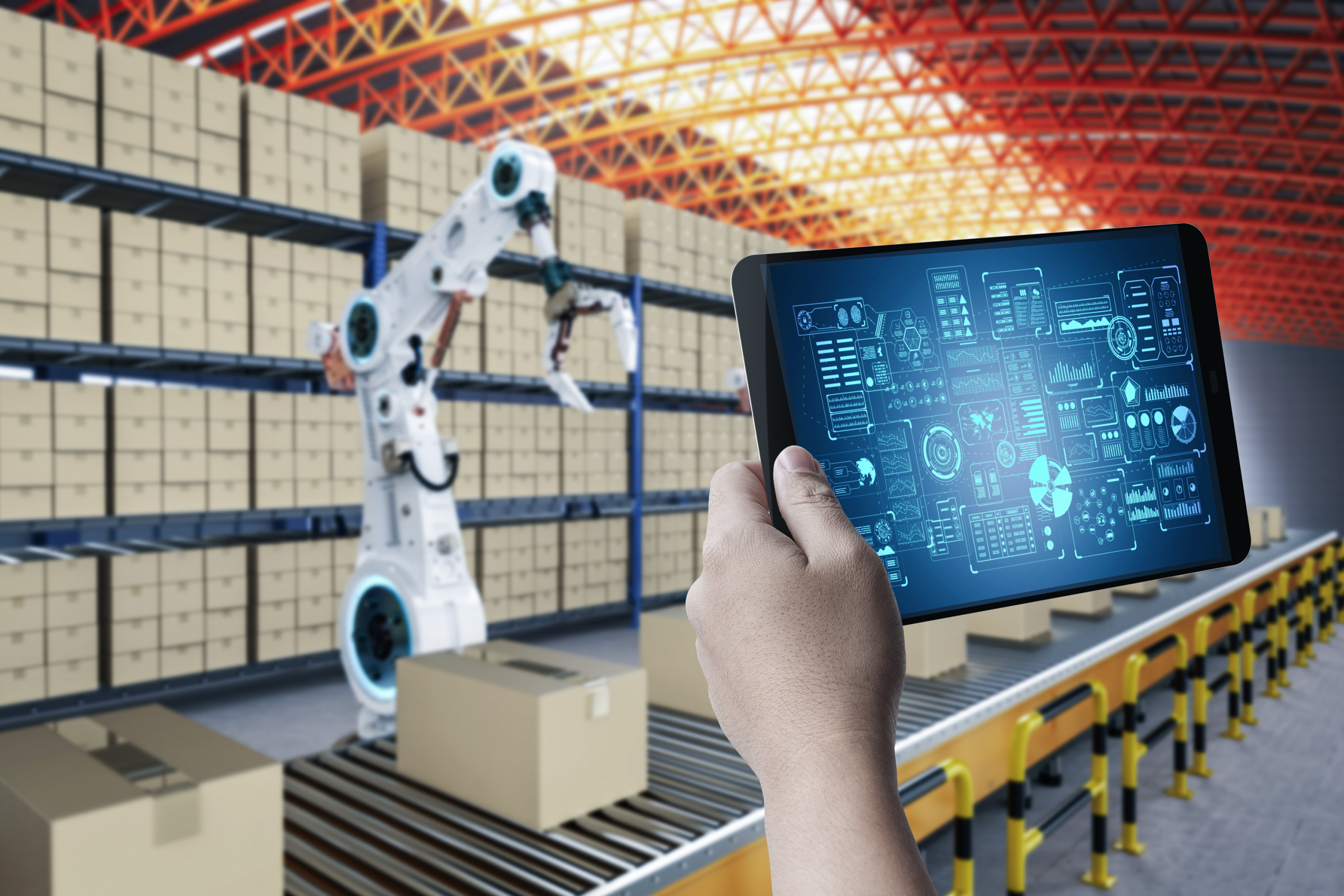
Inventory management is one of the most important areas of ERP, particularly for distribution, retail, manufacturing, and pharmaceutical businesses. AI can analyse historical sales, purchasing patterns, and other relevant information to help businesses forecast demand and plan stock requirements.
This can help organisations:
Identify potential stock shortages.
Reduce excess inventory.
Improve replenishment planning.
Recognise changing demand patterns.
Make more informed purchasing decisions.
With better inventory visibility, businesses can improve stock control and respond more effectively to customer requirements.
Improved Financial Management
Financial operations involve a wide range of activities, including invoice processing, payment tracking, bank reconciliation, and cash flow management. AI-powered ERP capabilities can assist with matching transactions, identifying unusual entries, preparing financial information, and highlighting potential payment delays. These capabilities can help finance teams reduce repetitive work, improve financial visibility, and spend more time on financial planning and analysis.
Enhanced Customer Experience
Customer expectations continue to grow. Businesses need accurate information, faster order processing, and reliable communication to maintain strong customer relationships. AI can support customer-facing teams by helping them access relevant customer information, understand purchasing patterns, and respond more efficiently to enquiries. When connected with ERP data, these insights can help businesses improve order accuracy, identify customer needs, and deliver more consistent service.
The Rise of AI Assistants and AI Agents in ERP
One of the most interesting developments in ERP is the introduction of AI assistants and AI agents. AI assistants, such as Microsoft Copilot, help users interact with business information, generate summaries, explore data, and receive suggestions through natural language. AI agents take this a step further. Depending on their configuration and permissions, they can carry out specific business tasks with minimal human input, while keeping users involved in reviewing important actions.
For example:
A sales order agent can help convert customer emails into sales documents.
A payables agent can extract invoice information and prepare it for processing.
An expense agent can help capture receipt details and support expense submissions.
An AI assistant can help users explore business information and understand reports.
These developments are changing how employees interact with ERP systems. Instead of navigating multiple screens to complete every activity, users can increasingly work alongside intelligent tools that help simplify everyday processes.
What Does AI Mean for Microsoft Dynamics 365 Business Central?
Microsoft Dynamics 365 Business Central is evolving with AI-powered capabilities designed to help small and medium-sized businesses work more efficiently. Microsoft Copilot brings AI assistance directly into Business Central, supporting activities such as data analysis, record summarisation, content suggestions, and business process assistance. Business Central also includes AI-powered capabilities for areas such as financial management, inventory forecasting, and invoice processing. For example, businesses can explore AI-assisted bank reconciliation, use inventory forecasting to support replenishment planning, and benefit from intelligent assistance with sales and purchasing activities.
These capabilities help organisations make better use of their ERP data while reducing time spent on repetitive activities. However, the availability of individual AI features can depend on the Business Central version, licensing, region, and configuration.
Why Businesses Should Start Preparing for AI-Powered ERP
AI adoption is not simply about introducing new technology. It is about preparing business operations for a more connected and intelligent way of working.
Businesses considering AI-powered ERP should focus on a few important areas:
Reliable Business Data: AI depends on accurate and consistent information. Maintaining good data quality is essential for generating meaningful insights.
Connected Business Systems: Integrating finance, sales, inventory, purchasing, and other business functions helps create a more complete view of operations.
Clear Business Processes: Understanding existing workflows helps organisations identify where AI can deliver practical improvements.
Data Security and Governance: Businesses should establish appropriate access controls, data protection measures, and review processes before introducing AI into important workflows.
Employee Readiness: Employees need to understand how AI tools work, where they can help, and when human review is necessary.
Starting with clearly defined business challenges can help organisations introduce AI gradually and measure its actual value.
Will AI Replace Traditional ERP Systems?
AI is unlikely to make ERP systems unnecessary. Instead, it is changing what businesses can achieve through them. ERP remains the foundation for managing business transactions, financial records, inventory, workflows, and operational information. AI builds on this foundation by helping users analyse information, automate activities, and identify opportunities for improvement. The future is not about replacing ERP with AI. It is about bringing AI and ERP together to create more intelligent business operations. Human knowledge and decision-making will also remain important, particularly when dealing with financial approvals, regulatory requirements, complex business decisions, and sensitive information.
The Future of ERP Is Intelligent, Connected and Business-Focused
As AI technology continues to develop, ERP systems will become increasingly capable of supporting businesses beyond traditional transaction management. We can expect greater automation, more personalised insights, intelligent workflows, and improved collaboration between employees and AI-powered tools. For industries such as pharmaceutical distribution, FMCG, retail, manufacturing, and wholesale, these developments could create new opportunities to improve inventory visibility, streamline supply chains, support financial management, and respond to changing customer demands. Businesses that prepare their systems, processes, and people for this transformation will be better positioned to take advantage of emerging opportunities.
Ready to make your business smarter with ERP?
Speak to the Robosol team to explore ERP solutions that align with your business needs and future goals.
Robosol – Flexible Technology. Smarter Business Growth.
Conclusion
At Robosol, we understand that every business has different operational challenges, technology requirements, and growth objectives. The right ERP solution can help bring your business processes together, improve operational visibility, and create a stronger foundation for future innovation. Whether you are exploring Microsoft Dynamics 365 Business Central, looking to modernise existing ERP processes, or planning your next stage of digital transformation, having the right technology strategy is essential.
We at Robosol, with over 20 years of experience & with over a 100 customers across industries can help you in this process. Contact us for an expert consultation to know more.